

Havening techniques
Havening Techniques® were developed by Dr. Ronald (Ron) Ruden, MD, in collaboration with his brother, Dr. Steven (Steve) Ruden, DDS. Based in New York, Dr. Ron Ruden practised medicine while Dr. Steve Ruden ran a dental practice.
Over more than two decades, Dr. Ron Ruden studied neuroscience with a particular interest in trauma, stress, and other amygdala-based responses. His research, combined with years of clinical experience, led to the development of Havening Techniques®—a gentle, touch-based approach designed to help reduce the emotional impact of distressing experiences and support nervous system regulation.
The approach is based on principles of neuroscience, including the brain's ability to form and update emotional memories, this is known as neuroplasticity and memory reconsolidation. During Havening, many people experience a deeply relaxed state, often associated with slower brain wave activity, including increased delta wave activity.
Havening theory proposes that this state helps the brain safely integrate new experiences and reduce the emotional intensity of distressing memories, allowing greater calm, flexibility, and resilience to emerge.
About me
I found havening after exploring many other modalities to support my own health and wellness, using nutrition, health coaching, breathing practices, fasting, and Nonviolent Communication. I have come to believe havening works well to support the effectiveness of other modalities transforming thoughts, patterns, and emotional responses in a gentle and lasting way. the truth is for me it was the only thing which created noticeable shifts in just a single session!
More recently I have to formalised my havening practice and I have completed my havening practitioner training. I am offering havening sessions as one-on-one sessions as well as one-on-one sessions to help you develop your own practice. I love sharing this gentle and powerful tool in ways that feel accessible, grounded, and genuinely supportive.
My work background has involved building websites both in the corporate sector and as a freelancer. Recently I have been working in the community sector setting up and leading www.timebankauckland.nz. In my experience with havening I have seen how positively people respond to it as the seek different tools to support them through life.
The Havening Techniques Organisation
I am a registered Certified Havening Techniques® Practitioner with The Havening Techniques Organization, an international organisation based in the United States that provides training, certification, and ongoing support for Havening practitioners worldwide.
The Havening Techniques Organisation
What is havening?
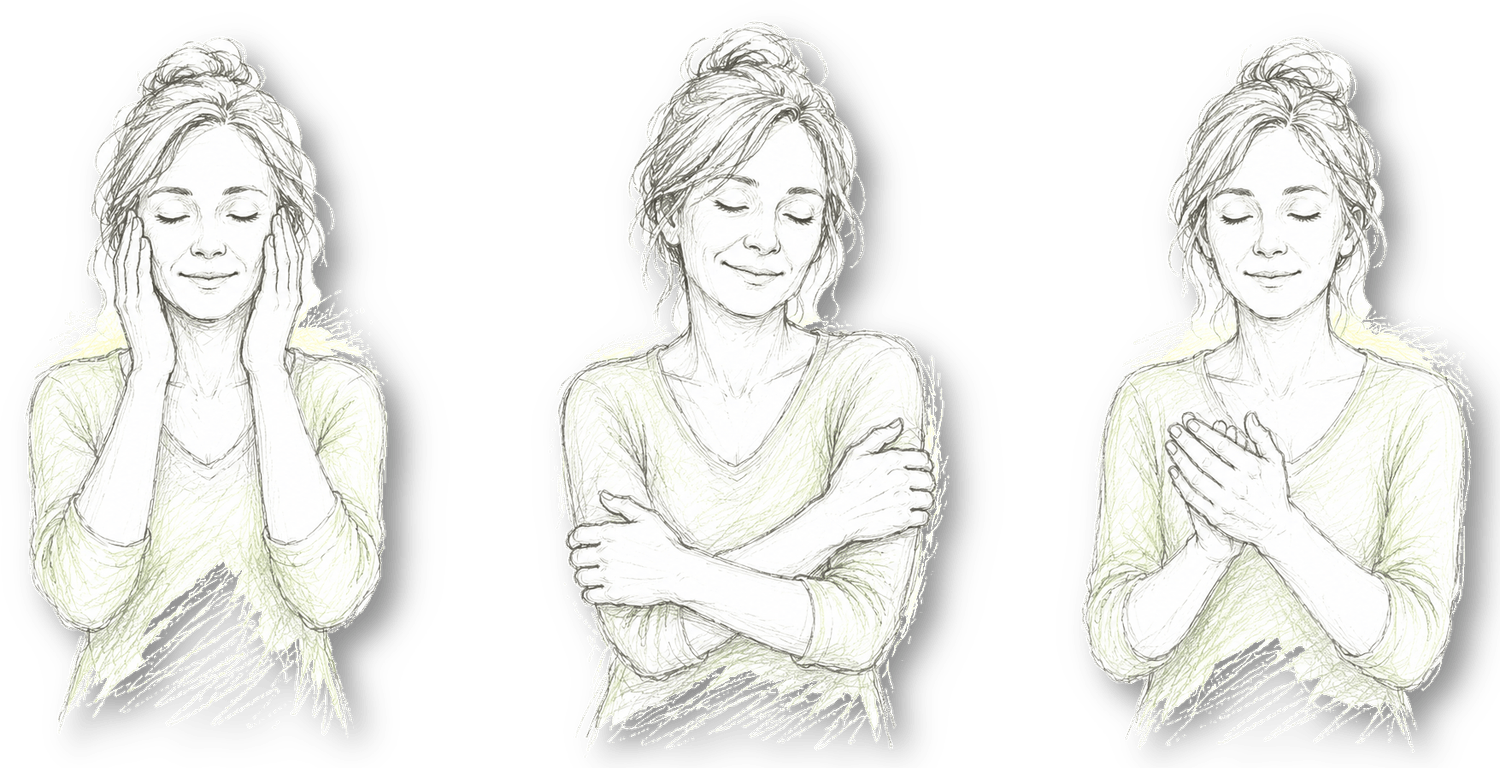
Havening is a psychosensory technique which uses gentle touch, on the arms, hands, or face, combined with guided tools like breath work and visualisation to calm the nervous system and help rewire the brain’s response to stress or trauma.
What can I expect from a 1 on 1 session?
Each session is supportive and tailored to you. We begin with a short NVC style check in to explore your feelings and needs, then focus on one thought, memory, or emotion using havening touch. You can choose a fully guided session or learn a simple self-havening practice to use at home.
Who developed Havening?
Havening Techniques® were developed by Dr. Ronald Ruden, a physician and neuroscientist, in collaboration with his brother, Dr. Steven Ruden, a dentist. Their work combines insights from neuroscience, psychology, and the body's natural calming response. Ongoing research continues to explore the effectiveness of Havening.
Is Havening a recognised modality?
Yes. Havening Techniques® is a trademarked approach taught through accredited training programs. The Havening Institute maintains a register of certified practitioners. While the specific Havening protocols are trademarked, gentle self-soothing touch has long been recognised as a natural way to support emotional regulation, and many forms of therapeutic touch have been studied for their calming effects.
How many sessions will I need?
It varies. One session can create change, especially for single-event trauma. For deeper, long-term patterns, 3–5 sessions are often enough to see lasting shifts and establish a solid home practice. We’ll work at a pace that feels right for you.
Is havening backed by science?
Yes. Havening is based on neuroscience and creates calming delta brain waves that help deactivate distressing emotional responses. This state allows the brain to rewire itself and unlink memories from stress responses, promoting healing, calm, and resilience.
What is special about havening?
Havening helps release the emotional charge from past trauma, stress, or painful memories. Gentle havening touch soothes the nervous system and creates an opportunity to rewire the brain’s response to distressing events, allowing you to move forward with more peace and clarity.
Research
C‑tactile (CT) fibres – 5 key studies
Coding of pleasant touch by unmyelinated afferents in humans
This study shows that the firing rate of human CT fibres is highest at the stroking speeds people rate as most pleasant, directly linking CT activity to pleasant touch.
Tactile C fibers and their contributions to pleasant sensations and to tactile allodynia
This review integrates nerve recordings, patient studies, and brain imaging to argue that CT fibres signal the emotional, pleasant aspects of touch and help modulate pain.
What are C‑tactile fibres and how do they relate to “affective touch”?
This large review of over 1,000 studies concludes that CT fibres support gentle, social touch but are part of a broader system that also depends on context and other pathways.
C‑tactile afferent stimulating touch carries a positive affective value
Using ratings, heart rate, and facial muscle activity, this study finds that CT‑optimal slow stroking on hairy skin produces more positive affect than faster or palm stroking.
This paper proposes that CT‑targeted gentle touch can reduce physiological arousal and help trigger oxytocin release, supporting bonding and stress regulation.
Havening – 5 key studies
This study describes how Havening is used in perinatal mental health and presents case evidence that it can reduce distress and improve emotional wellbeing around pregnancy and birth.
A novel theory of trauma offers new treatment possibilities
This paper outlines the theoretical model behind Havening, explaining how trauma may be stored and how havening touch, eye movements, and delta‑wave–like states could help erase traumatic memories.
This study uses EEG and computational models to show that a single Havening session with touch reduces left temporal brain connectivity linked to persistent distress.
Impact of a Single‑Session of Havening
This study finds that one Havening session significantly reduces self‑reported depression, anxiety, and work/social impairment over time in an occupationally impaired sample.
This study examines how havening touch affects distress, mood, and brain function, providing early evidence that it can lower subjective distress and shift brain activity in line with trauma‑informed therapy.
If you want, I can next format this as ready‑to‑paste HTML with clickable titles and clean styling.
Email: nzhavening@gmail.com
Created by www.clickonline.co.nz